Energy Drinks and Sleep: What That 6 P.M. Can Really Does to Your Night
The 6 p.m. energy drink is a very specific bargain: you're tired now — from a bad night, a long shift, a workout — and the can promises to move that tiredness somewhere else. It keeps the promise. The somewhere else is tonight.
What's actually in the can
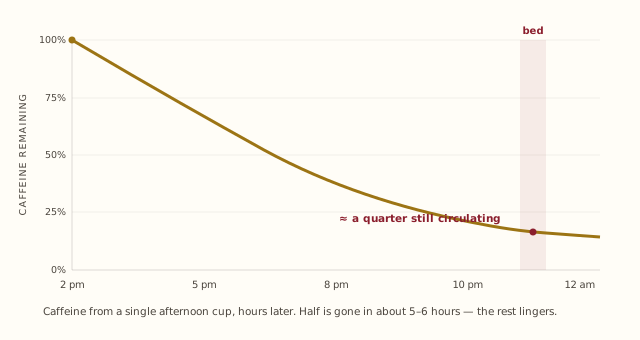
A standard energy drink (500 ml) carries 150–200 mg of caffeine — the strong ones push 300. That's one to two large coffees, drunk fast, usually later in the day than anyone would order a coffee. Caffeine's half-life is five to six hours, so the math on a 6 p.m. can is unforgiving:
- Midnight: ~80–100 mg still circulating — a full espresso's worth, right as you're trying to fall asleep.
- 6 a.m.: ~40–50 mg — still enough to keep your sleep in the shallow end all night.
And caffeine is only the headline act. The typical can adds 50–60 grams of sugar — a blood-glucose spike and crash that fragments the early night — plus the "energy blend": taurine, guarana (which is simply more caffeine, often not counted in the label total), ginseng, B-vitamins. The blend sounds scientific; its main measurable effect on sleep is the extra caffeine it smuggles in.
A 6 p.m. can is a midnight espresso with 14 spoons of sugar in it. Nobody would order that. People drink it every day.
How it steals sleep (even when you fall asleep fine)
Caffeine works by blocking adenosine — the molecule that accumulates all day and creates "sleep pressure," the healthy heaviness that pulls you under. With the receptor blocked, three things happen to your night:
- Falling asleep takes longer, even if only by 20–30 minutes you don't attribute to the drink.
- Deep sleep shrinks. This is the quiet damage: studies show late caffeine specifically cuts slow-wave sleep — the physically restorative stage — even in people who report sleeping "fine."
- The second half of the night lightens, setting up the classic 3 a.m. wake-up and a groggy morning that begs for — you guessed it — another can.
That last loop deserves a name: the energy-debt cycle. The drink doesn't create energy; it borrows tomorrow's and charges interest in deep sleep. Run the loop for a few weeks and you're consuming twice the caffeine to feel half as awake.
If you're going to drink them anyway
Harm-reduction rules
- Before noon only. Same 8–10 hour cutoff as coffee — see the caffeine half-life math — but stricter, because doses per can are larger.
- Read the caffeine number, not the vibe. "Zero sugar" ≠ low caffeine. Some sugar-free cans are the strongest on the shelf.
- Watch guarana. 1 g of guarana ≈ 40 mg of extra caffeine that may not appear in the total.
- Never as a nightcap for shift work. If you work nights, caffeine timing is its own science — the general rule is none in the last half of your shift.
- Teenagers metabolize caffeine slower and are the heaviest energy drink consumers. If there's a tired teen in your house, the can is the first suspect, not the phone.
The better fix for the 6 p.m. slump
The slump the can treats is usually a symptom of last night's thin sleep. Ten minutes of brisk walking outdoors, a glass of water, and daylight exposure measurably raise alertness without touching tonight. Boring advice — but boring advice that compounds, night after night, in the right direction.
Educational content — not medical advice. Every Sleep Solutions volume includes a "When to See a Professional" chapter; if your sleep problem comes with warning signs (gasping, chest pain, severe daytime impairment), talk to a clinician.